
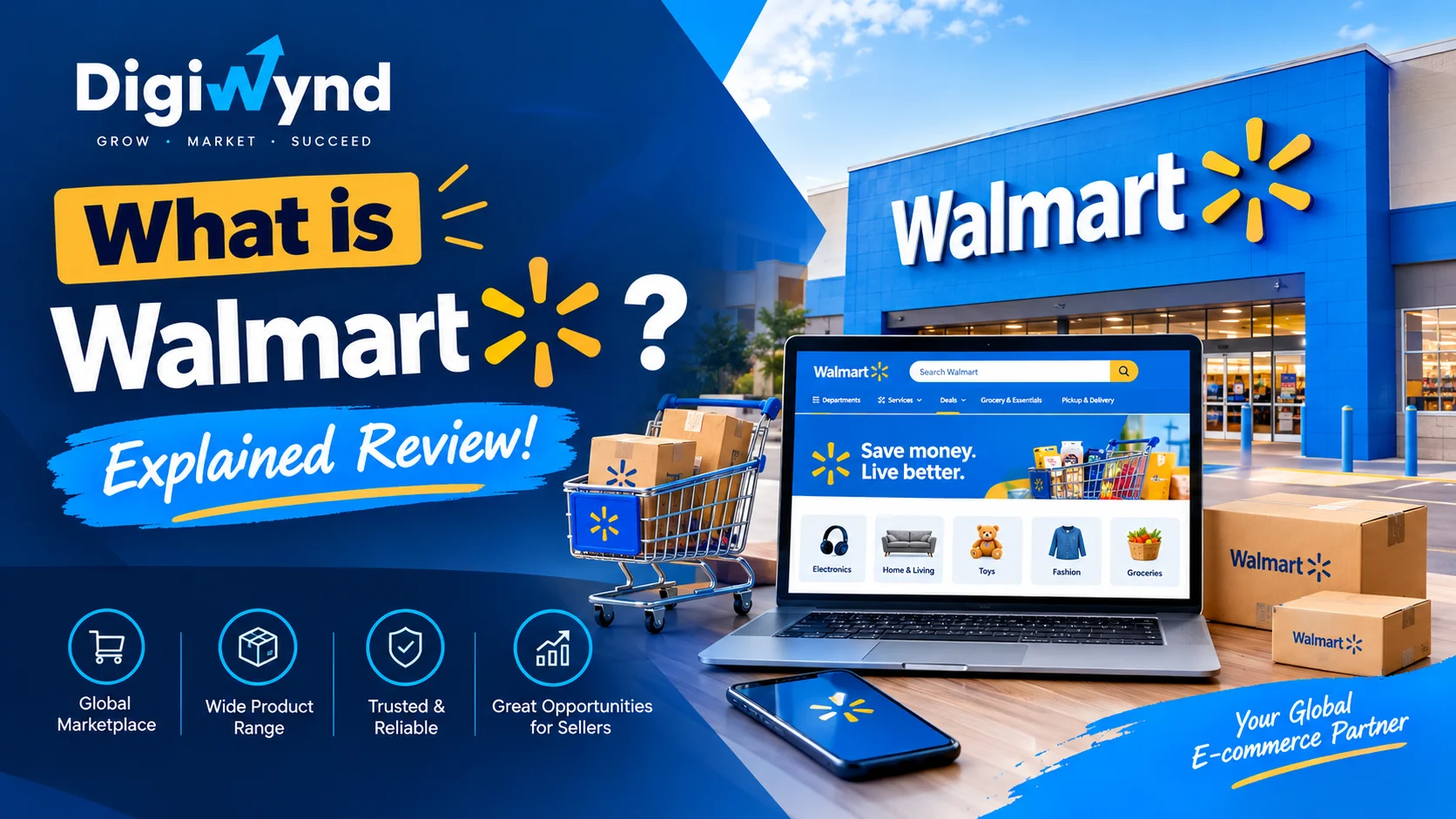
What Is Walmart?
Walmart began as a discount retailer and grew into one of the world’s largest retail ecosystems. Customers can shop inside stores, use Walmart.com or the Walmart app, collect orders locally, or arrange delivery. Walmart’s network connects merchandise, technology, warehouses, stores, suppliers, and independent marketplace sellers.
The company sells groceries, household essentials, electronics, clothing, beauty products, toys, furniture, automotive items, and many other categories. According to Walmart’s corporate information, its stores and ecommerce properties serve hundreds of millions of customers and members each week across multiple countries.
How Does Walmart Work?
Walmart uses an omnichannel retail model. Its physical and digital channels support each other instead of operating as completely separate businesses. A shopper may research an item online, check local stock, buy it through the app, and collect it at a nearby store. Other orders are shipped from Walmart facilities or third-party sellers.
On Walmart.com, product pages show the price, seller, fulfillment method, delivery estimate, ratings, and return information. Buyers should check the “sold and shipped by” details because some products are sold directly by Walmart while others come from approved marketplace merchants.
Walmart’s Business Model
Walmart earns most of its revenue by selling merchandise through stores and digital channels. It also operates membership, advertising, financial, fulfillment, and marketplace services. Large purchasing volumes can lower procurement costs, while the store network provides convenient pickup, delivery, and return locations.
The marketplace model expands online selection without requiring Walmart to purchase every product as inventory. Third-party sellers list eligible products and pay a referral fee after a sale.
What Is Walmart Marketplace?
Walmart Marketplace is the company’s ecommerce platform for qualified third-party businesses. Approved sellers can publish listings on Walmart.com, manage pricing and inventory, process orders, use advertising tools, and review performance through Seller Center.
Approval is selective. Applicants generally need valid business documentation, a compliant catalog, product identifiers such as UPCs or GTINs, dependable fulfillment, and a record of ecommerce performance. Sellers remain responsible for accurate content, legal compliance, inventory, customer service, and timely shipping unless they use Walmart Fulfillment Services.
How Shopping at Walmart Works
Customers search by keyword or browse departments, compare offers, add products to a cart, and select an available fulfillment method. Depending on the item and location, options may include standard shipping, local delivery, curbside pickup, or in-store collection.
Before placing an order, compare the total price, arrival date, return policy, product reviews, and seller rating. Reviews can help, but buyers should distinguish feedback about the product from feedback about the merchant.
How to Sell on Walmart Marketplace
A business applies for an account and completes verification, payout setup, marketplace details, fulfillment choices, and catalog creation. After approval, Seller Center is used to add items, synchronize stock, manage orders, view analytics, and monitor account health.
Strong performance depends on accurate titles, useful images, complete attributes, competitive pricing, reliable inventory, quick delivery, and responsive service. Similar marketplace principles are covered in our guide to why businesses sell on Amazon.
What Is Walmart Fulfillment Services?
Walmart Fulfillment Services (WFS) is an optional logistics program. Sellers send eligible inventory to Walmart fulfillment centers, and Walmart stores products, picks and packs orders, ships them, and supports eligible returns and order questions.
WFS can simplify operations and help listings offer fast delivery, but storage and fulfillment fees affect profit. Sellers should compare WFS with self-fulfillment using product dimensions, sales velocity, seasonality, return rate, and internal warehouse costs.
Walmart Marketplace Fees
Walmart currently promotes Marketplace without setup or monthly subscription fees. Sellers pay referral fees when products sell, and percentages vary by category. WFS, advertising, storage, returns, and other optional services may create additional costs.
A complete margin calculation should include product cost, inbound freight, referral fees, fulfillment, storage, returns, advertising, taxes, and discounts. Always check current official fee schedules before finalizing a selling price.
Key Features of Walmart
• Physical and digital reach: stores, Walmart.com, pickup, and delivery work together.
• Wide selection: shoppers can buy everyday essentials and specialist products.
• Marketplace sellers: approved merchants expand the online catalog.
• Flexible fulfillment: shipping, store pickup, delivery, seller fulfillment, and WFS.
• Seller Center: tools for listings, orders, inventory, and reports.
• Customer reviews: ratings help buyers compare products and merchants.
Advantages of Walmart for Buyers
Walmart’s main advantage is convenience. Customers can combine online shopping with local pickup, grocery delivery, or store visits. The wide range of products makes it possible to purchase many everyday needs through one retailer. Price competition, reviews, and multiple fulfillment choices also support comparison shopping.
Advantages for Marketplace Sellers
For sellers, Walmart provides access to an established retail brand and a large customer base. The channel can diversify revenue beyond one marketplace, and WFS may reduce logistical complexity. In some categories, competition may be less crowded than on larger online-only platforms.
The best fit is a business with proven products, healthy margins, accurate data, dependable inventory, and reliable customer service. Sellers can also compare Walmart with other channels through our detailed eBay marketplace review.
Disadvantages and Limitations
Marketplace experiences can vary because independent merchants handle some orders. Availability, delivery speed, and return procedures may differ between offers, so customers should verify the seller rather than assume every item is stocked by Walmart.
For merchants, approval requirements, catalog rules, price competition, performance standards, and restricted categories can be challenging. Profit may disappear when referral fees, shipping, returns, advertising, and storage are not calculated carefully.
Is Walmart Legit and Safe?
Yes. Walmart is a long-established public retailer with official stores, websites, apps, payment systems, and customer-service processes. Online shoppers should still use the official website or app, protect account credentials, review third-party seller details, and reject payment requests outside Walmart’s checkout.
Sellers should follow platform policies, protect customer information, upload accurate tracking, and monitor account health. Safe marketplace activity depends on both platform controls and responsible user behavior.
Walmart vs Amazon and eBay
Walmart combines a major store footprint with ecommerce and third-party sellers. Amazon is strongly associated with online shopping, Prime, and a very large seller ecosystem. eBay supports fixed-price and auction listings and is popular for used, refurbished, collectible, and unique products.
No marketplace is automatically best. Walmart may suit retail-ready catalogs and strong fulfillment operations. Amazon may provide greater demand in many categories but intense competition. eBay may offer flexibility for unusual inventory. Many established businesses use several channels while synchronizing stock and service.
Is Walmart Marketplace Good for Beginners?
It can work for a prepared beginner, but it is generally better suited to credible businesses than to sellers with no operational history. Applicants need proper documentation, compliant products, reliable fulfillment, and an understanding of marketplace economics.
New sellers should begin with a focused catalog. A smaller group of profitable, well-supported products is easier to manage than hundreds of weak listings.
Tips for Walmart Shoppers
• Confirm who sells and ships the item.
• Compare the full price, delivery date, and return conditions.
• Read recent product and seller reviews.
• Use only Walmart’s official checkout.
• Keep order records until the return period ends.
Tips for Walmart Sellers
• Research demand, competition, fees, and profit before listing.
• Use accurate product identifiers, images, attributes, and descriptions.
• Synchronize inventory to prevent cancellations.
• Compare WFS and self-fulfillment using real cost data.
• Monitor pricing, returns, delivery performance, and account health.
• Measure advertising by profit rather than revenue alone.
Walmart Review: Is It Worth Using?
For buyers, Walmart is a practical choice for broad selection, value-focused shopping, pickup, delivery, and convenient returns. The key precaution is reviewing marketplace seller information when Walmart is not the direct merchant.
For established ecommerce businesses, selling on Walmart Marketplace can be a valuable growth channel. It offers brand trust, meaningful reach, fulfillment options, and diversification. The opportunity is strongest for sellers with competitive products, accurate listings, healthy margins, and dependable operations.
Frequently Asked Questions
Is every item on Walmart.com sold by Walmart?
No. Some products are sold directly by Walmart and others by approved marketplace sellers.
Can anyone sell on Walmart Marketplace?
Businesses must apply and meet verification, catalog, fulfillment, and performance requirements.
Does Walmart Marketplace charge a monthly fee?
Walmart currently states there is no setup or monthly subscription fee, but referral fees and optional-service costs apply.
What is WFS?
Walmart Fulfillment Services stores eligible inventory and manages picking, packing, shipping, and supported returns.
Is Walmart better than Amazon?
That depends on the product, customer, fees, competition, and fulfillment strategy.
Final Thoughts
Walmart is a modern retail ecosystem built around stores, ecommerce, logistics, and third-party marketplace sellers. Its greatest strength is the connection between local convenience and online scale. Whether you are shopping or building an ecommerce business, compare sellers, calculate complete costs, and choose fulfillment based on reliable information.